


LETSGO: Rip Packs, Real Cards
3.381.00 Reviews
App Specs
- Version
- 1.10.22
- Updated On
- License
- Free
- Downloads
- 50,000+
- Developer
- LETSGO
- Categories
- Card
- Platform
- Android
Screenshots
 Analysis by AppCompare
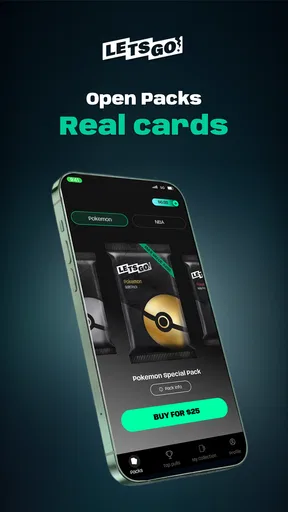
I approached LETSGO as a casual card-collecting game rather than a traditional strategy title, and that distinction matters. Its central appeal is the excitement of opening trading-card packs, browsing what you receive, and deciding whether to keep building a collection or move cards through the app’s buying and selling side. It is aimed at people who enjoy TCG and sports cards but want that hobby presented through a mobile screen.
The game is free to download, developed by LETSGO, and listed in the card category for mature players aged 17 and over. It has reached over 50 thousand installs, with an average rating of 3.3 from more than a hundred ratings. That tells me it has attracted a real early audience, but it also suggests a product that is still finding its footing rather than one I would recommend blindly to every collector.
My overall impression is that the concept is easy to understand and potentially very satisfying in short sessions. The interesting part is not simply opening a pack. It is the small decision loop afterward: identify what you received, work out whether it fits your collection, and consider whether it is more valuable to you as a collectible or as something to sell. That gives the game more purpose than a purely decorative card-opening simulator.
How the current version feels in everyday use
The current version is 1.10.22, which places the app in a relatively developed stage compared with an untouched first release. I would still treat it as an evolving game. The version number shows that LETSGO has moved through multiple iterations, but it does not by itself guarantee that every part of the experience feels equally polished. In practice, the most important question is whether the opening, collecting, and trading loop remains clear when you use it repeatedly.
The first useful way to approach the game is to set a simple goal before opening anything. I found that the experience is more enjoyable when I decide whether I am collecting a particular type of card, looking for interesting additions, or simply enjoying the surprise of each pack. Without that small bit of direction, pack opening can become repetitive quickly because the excitement arrives in short bursts and then disappears until the next decision.
A realistic everyday scenario would be using it during a short break. I might open the game while waiting for an appointment, look through a newly opened pack, separate cards I want to keep from cards I would rather sell, and close it after a few minutes. That makes more sense for LETSGO than expecting a long, continuous gaming session. Its appeal is built around small moments of anticipation and collection management, not an extended campaign or a deep tactical match.
The combination of TCG and sports cards also gives the game a broader identity than a single-theme collector. Someone who enjoys both kinds of cards may appreciate having them in one place. On the other hand, a specialist collector who wants one tightly focused universe may find the broader approach less personally compelling. The game has to serve different collecting interests, and that can make the experience feel less tailored than a dedicated TCG or sports-card app.
Worth Reading Before You Choose

EA SPORTS FC Mobile 26 Is a Bigger Football Game, but It Takes Time

Flipboard Shows What News Apps Must Do Beyond the Feed

Switching to Android Auto Means Rethinking Your Driving Routine

Google Calendar Makes a Crowded Week Easier to Manage

Ludo King Makes the Most of the Minutes Between Plans

Baby Panda World Brings Quick Play to Modern Phones, but Its Game Library Feels Busy
The pack-opening loop is the main attraction
Opening packs is the feature that gives LETSGO its immediate personality. There is a clear emotional rhythm in the process: anticipation before the reveal, inspection afterward, and a decision about what happens next. Even when the cards are not exactly what I hoped for, the act of checking a new pack gives me a reason to return.
That loop works best when I resist the temptation to treat every opening as a search for a single perfect result. A healthier approach is to consider each pack as part of a longer collection. I look for cards that fit a theme, cards that might be useful in a trade, and cards that are simply enjoyable to own. This makes ordinary results feel less disappointing and reduces the pressure to chase a particular outcome.
There is also a practical habit I would recommend: review the collection immediately after opening rather than letting unopened decisions pile up. Sorting mentally as I go makes it easier to remember what I already have and prevents the selling side from becoming a confusing backlog. For a game centered on collecting, that small workflow choice makes a noticeable difference to how manageable the experience feels.
The trade-off is that the excitement depends heavily on the quality and variety of the available cards. If a player does not care about TCG or sports-card themes, the reveal itself may not be enough to sustain interest. This is not the kind of card game where the pleasure comes mainly from clever moves during a match. The pleasure comes from discovery, ownership, and the choices that follow.
Collecting and selling require different mindsets
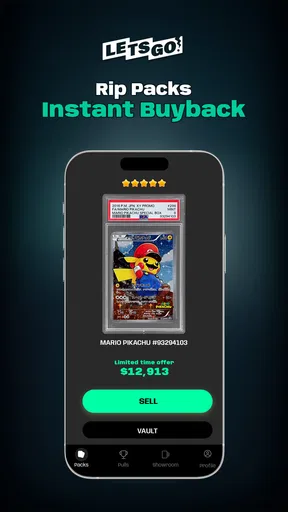
The collecting side is naturally personal. I can keep a card because it completes a group, matches a favorite interest, or simply looks appealing. Selling is more analytical. It asks me to think about whether a card has more value as part of my own collection or as an item someone else might want. Moving between those two mindsets is one of the more interesting aspects of the game.
I would not recommend selling everything that does not immediately excite you. A card that seems unimportant on its own may become useful later if it fits a broader collecting plan. My preferred method is to keep a small reserve of cards for possible future interest, while selling duplicates or cards that clearly do not match my goals. That approach keeps the collection flexible without turning every item into a permanent possession.
Another useful habit is to pause before making a sale and ask what problem the sale is solving. If I am selling only to clear space or create a feeling of progress, I may regret the decision later. If I am selling to redirect the collection toward a clearer theme, the choice feels more deliberate. LETSGO is more rewarding when selling is treated as collection management rather than a button pressed automatically after every pack.
This is also where the game differs from a conventional digital card battler. In a battle-focused title, the value of a card is usually connected to its abilities and the deck it supports. In LETSGO, the collecting and marketplace angle is more central to the appeal. Players who want battles, deck construction, or competitive matches should look toward a dedicated TCG game instead.
What the version and release history suggest
The game was released on April 16, 2026, and the current version is 1.10.22. I see that combination as evidence of a product that has already gone beyond its initial launch build, while still being early enough that the direction of future updates matters. It would be unfair to judge the app as if it were a long-established marketplace with years of refinement behind it.
For an existing user, a newer version can be encouraging because it indicates continued movement rather than a completely abandoned project. It also means that habits formed in an earlier build may not always remain ideal. I would periodically revisit how I organize cards, how I decide what to sell, and whether the balance between opening and managing still feels enjoyable after updates.
At the same time, I would separate what is visible now from what I hope the game becomes. The current version gives me a card-opening and collection-focused experience, but that should not be confused with a promise of deeper systems later. If future updates add more ways to organize collections, improve the buying and selling flow, or make card discovery more rewarding, those would strengthen the foundation. They are possibilities to watch, not reasons to download today.
The rating of 3.3 is another reason I would set expectations carefully. It is not a disaster, but it is not a strong signal of universal satisfaction either. I read it as a prompt to try the game with modest expectations. The concept may suit a particular kind of collector very well, while players looking for a more complete or competitive card game may quickly notice the limits of the current experience.
Where LETSGO fits among other card apps
Compared with a physical card hobby, LETSGO is more convenient because I can open and manage cards without carrying binders or packs around. It also removes some of the practical friction of physical collecting, such as sorting storage boxes or remembering where a particular card was placed. The trade-off is that the digital experience does not provide the same tactile feeling as handling a real card, and the emotional value of ownership can be different on a screen.
Compared with a standard digital collectible-card game, LETSGO appears more focused on the collector’s journey than on playing a deck against an opponent. That makes it a better fit for someone who enjoys reveals, browsing, and trading decisions. A player who wants strategic battles, carefully balanced decks, or a competitive ladder would probably be happier with a game designed around those activities from the beginning.
Compared with a simple card-opening simulator, LETSGO has a more practical layer because the cards are connected to buying, selling, and collecting. That gives the opening process a reason to continue beyond the reveal. Still, anyone who dislikes managing virtual items may find the extra layer more like work than entertainment. The game’s strength and its possible weakness come from the same place: it asks me to make decisions after the pack is opened.
The free price lowers the barrier to trying it, which is important for a niche game with a specific audience. I can explore the basic appeal without committing money at the download stage. However, free access does not automatically make the experience suitable for everyone. I would still consider whether I enjoy the underlying loop before investing significant time in organizing a collection.
Who will get the most from it
I think LETSGO is best for a player who already understands why collecting cards is enjoyable. You do not need to be an expert, but you should be interested in the anticipation of opening packs and the satisfaction of building a personal assortment. The game is especially suitable for short sessions, casual browsing, and people who like making small decisions about what to keep and what to move on.
It may also suit someone who wants to explore both TCG and sports-card themes without installing separate apps. That wider mix can make the collection feel varied, particularly if my interests change from one session to the next. The mature age rating should also be taken seriously when deciding whether the game is appropriate for a younger player.
I would skip it if my main reason for downloading a card game is to compete in matches. I would also skip it if I need a highly structured collecting system with a clearly defined long-term objective from the first launch. LETSGO’s appeal is more open-ended. It gives me a collecting activity and related decisions, but the motivation has to come partly from my own goals.
Players who are easily frustrated by random pack results should approach it carefully. The best way to enjoy the game is to accept that not every opening will feel rewarding and to use collection planning to create a sense of progress. If the reveal is the only part that matters, disappointment can arrive quickly. If the broader process matters too, the experience has more room to breathe.
Small strategies that make the experience better
My first practical tip is to create a personal rule for duplicates. I might keep one copy for my collection and treat additional copies as candidates for selling, unless they support a theme I am building. This prevents the collection from becoming cluttered while preserving room for sentimental or strategic choices.
My second tip is to divide sessions into two modes. In an opening session, I focus on discovery and avoid making rushed sales. In a management session, I review what I have, identify duplicates, and decide which cards still fit my collecting direction. Separating those activities helps me avoid selling something simply because I am reacting to the excitement of a reveal.
My third tip is to judge progress by the quality of the collection, not just its size. A larger collection is not automatically a better one if it has no shape or purpose. Choosing a theme, keeping a short list of cards I would like to find, and reviewing that list occasionally gives the game a more personal structure than opening packs without a plan.
There is also a useful trade-off between immediate satisfaction and long-term flexibility. Selling a card can make the current session feel productive, but keeping it may preserve options for a future collection direction. I would make the decision based on how strongly the card fits my interests, not only on whether it seems valuable at that moment.
What I would like to see next
The most important area to watch is the balance between pack excitement and collection management. If the opening process remains engaging while the organization and selling decisions become clearer, the game could become easier to recommend. If the experience stays focused mainly on repeated reveals, it may remain enjoyable primarily for short bursts rather than become a daily habit.
I would also watch how LETSGO develops for different kinds of collectors. TCG fans and sports-card fans may want different ways to browse and organize what they own. A strong future direction would make those interests feel distinct without making the app difficult to use. That kind of refinement would matter more to me than simply adding more items to open.
Existing users should pay attention to how each update affects their established routines. A version change may improve the flow, alter how quickly a collection grows, or change which decisions feel worthwhile. I would keep my own collection organized and avoid treating any single short-term pattern as permanent until I have spent enough time with the updated version.
New users should begin with a small, deliberate test: open enough packs to understand the rhythm, inspect the collection carefully, and try the selling side only after deciding what they actually want to keep. That gives a fairer impression than judging the game from one lucky or disappointing reveal. It also answers the practical question of whether the management layer is enjoyable for you.
After spending time with the current release, I see LETSGO as a focused card-collecting game with a clear audience rather than a replacement for every other card app. Its free entry, TCG and sports-card mix, and pack-to-collection-to-sale loop make it worth trying for curious collectors. The moderate rating and early-stage feel mean I would keep expectations realistic, especially if I want deep competition or a highly polished long-term ecosystem.
My recommendation is to try it when the pleasure of collecting matters more to you than winning matches. If that sounds like your kind of mobile break, LETSGO can provide a compact routine of opening, sorting, and deciding. If you need strategic battles or a more established card platform, another option will probably serve you better. For the right player, though, the simple act of turning a new pack into a collection choice is enough to make this game worth a look.
Pros
- Exciting pack-opening format keeps each session engaging and unpredictable.
- Real card focus makes pulls feel more meaningful than purely digital collectibles.
- Simple interface is easy for newcomers to understand and navigate.
- Frequent reveals can help users discover cards and sets they may not know.
- Collection progress gives enthusiasts an extra reason to return regularly.
Cons
- Rare pulls can make progress feel heavily dependent on luck.
- The value and availability of rewards may vary between regions.
- Pack-opening mechanics may encourage repeated spending by some users.
- A stable internet connection is needed for most core features.
- Collectors may find limited control over which cards they receive.
FAQs for LETSGO: Rip Packs, Real Cards
What is LETSGO: Rip Packs, Real Cards?
LETSGO: Rip Packs, Real Cards is a collectible card pack-opening experience designed for fans who enjoy discovering trading cards without necessarily visiting a physical store. The app focuses on opening packs, revealing cards, and building a personal collection. Depending on the available offers, users may encounter digital previews, real-world card products, or collectible-related services, so it is important to read each listing carefully before purchasing.
How does opening a pack work in LETSGO: Rip Packs, Real Cards?
After choosing an available pack or event, you generally follow an in-app opening process that reveals the cards one by one, creating the excitement of a live or virtual pack break. The exact flow can vary by product and promotion. Before confirming, check the pack contents, odds or stated guarantees, shipping information, and whether the cards shown are digital representations or physical cards that will be sent to you.
Can I receive physical trading cards from the app?
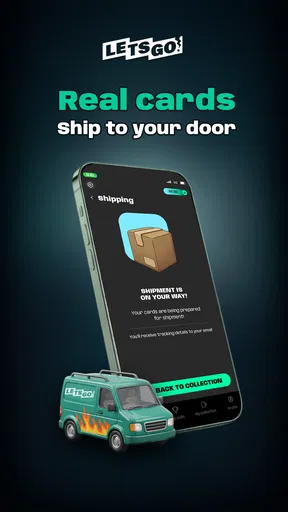
The app’s name suggests a connection with real cards, but delivery conditions may differ between products, regions, and promotions. Some experiences may provide physical cards, while others may involve digital records, participation in a break, or a collectible marketplace transaction. Review the individual product description, delivery terms, eligible countries, and any handling or shipping fees before spending money.
Is LETSGO: Rip Packs, Real Cards free to use?
Downloading and installing LETSGO: Rip Packs, Real Cards may be free, but pack openings, entries, purchases, or other premium features can require payment. The app may also offer optional in-app transactions, and the final cost can include taxes, shipping, service charges, or other fees. Users should review the checkout screen carefully and set purchase restrictions if children use the device.
Is LETSGO: Rip Packs, Real Cards safe for beginners and collectors?
The app can be appealing to both newcomers and experienced collectors, but users should approach every purchase with the same caution used on any collectible platform. Check the publisher information, privacy policy, refund rules, payment protections, and customer support options. Collectible cards can have uncertain value, and pack openings should be treated as entertainment rather than a guaranteed way to obtain rare or profitable cards.


